Key Takeaway / Summary:
This disclosure explains how NonTechNinja.com earns small commissions through affiliate links with Amazon and other partners, in compliance with FTC guidelines. Readers never pay extra by purchasing through these links, and all sponsored content is clearly labeled.
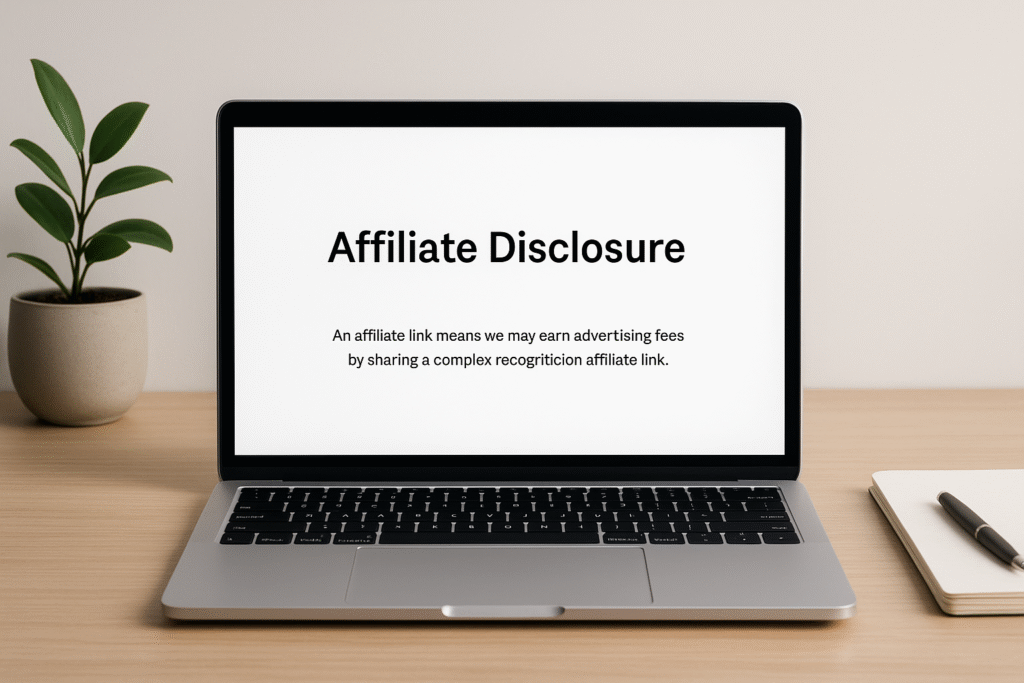
Affiliate Disclosure
In 2015, the Federal Trade Commission released its new rules for Disclosure Compliance. These rules are in place to ensure that readers or viewers of web media (blogs, YouTube videos, etc.) know whether the blogger/presenter is sponsored, endorsed, or partnered with another company. In blog terms, readers need to know whether the blogger is making money by sharing a link or a product.
In compliance with the FTC guidelines, please assume the following about links and posts on this site: Any/all of the links on beginnerboost.com are affiliate links for which I receive a small compensation from sales of certain items.
What are affiliate links?
Purchases are made on external affiliate company websites. When a reader clicks an affiliate link on NonTechNinja.com to purchase an item, the reader buys it directly from the seller (not from NonTechNinja.com). Amazon and/or other companies pay NonTechNinja.com a small commission or other compensation for promoting their website or products through their affiliate program.
Prices are the same for you whether you purchase through an affiliate link or a non-affiliate link. You will not pay more by clicking through to the link.
I use two main types of affiliate programs:
1. Amazon affiliate links.
NonTechNinja.com is a participant in the Amazon Services LLC Associates Program, an affiliate advertising program designed to provide a means for sites to earn advertising fees by advertising and linking to Amazon properties, including, but not limited to, amazon.com. Amazon offers a small commission on products sold through its affiliate links.
If a blogger links to an Amazon product (with a special code for affiliates embedded in the link), and a reader places an item in their “shopping cart” through that link within 24 hours of clicking the link, the blogger gets a small percentage of the sale. Amazon links are not “pay per click.” If you click on the product link, stay on Amazon, and purchase something else, I will receive a commission on that sale.
Anytime you see a link that looks like astore.com/… or amazon.com/…, it can be assumed to be an Amazon affiliate link.
2. Product affiliate links.
These affiliate links work the same way: if you click the link and buy the product, the blogger gets a percentage of the sale or another form of compensation. Things like e-book bundles, e-courses, and online packages are usually affiliate links, as well. Again, prices remain the same whether you use these affiliate links or not. You will not pay more by clicking through to the link. These links are not “pay per click“, unless otherwise denoted.
What about sponsored content?
I do not write sponsored posts. I want to bring you real, unbiased information. However, if a company sponsors a post, I will clearly disclose this at the beginning of the post.
If you have questions or concerns, reach out via email: michael@NonTechNinja.com