

TLDR: Artificial Intelligence Applications You Use Every Day
Artificial intelligence applications already sit inside the tools you use every day. Your phone, email, search, and favorite apps all use AI to guess what you want next.
The same tech can help you write better posts, plan content, and grow an online business. Chatbots, writing helpers, image tools, and keyword tools act like a small support team.
You stay in charge. Start with one task, keep your own voice, double-check key facts, and use AI to save time while you focus on judgment and honest work.
- TLDR: Artificial Intelligence Applications You Use Every Day
- Artificial Intelligence Applications In Everyday Life And Online Business
- What Are Artificial Intelligence Applications in Plain English?
- Everyday Artificial Intelligence Applications You Already Use
- Artificial Intelligence Applications for Content, Business, and Affiliate Marketing
- Frequently Asked Questions About Artificial Intelligence Applications
- How To Start Using Artificial Intelligence Applications Safely and Wisely
- Closing Thoughts on Artificial Intelligence Applications
- Key Takeaway
Artificial Intelligence Applications In Everyday Life And Online Business
You probably used artificial intelligence applications before breakfast today and never thought about it. Your phone guessed the word you wanted to type, your email suggested a reply, and your favorite app quietly sorted what it thought you wanted to see first.
At its core, AI is just software that learns from data and makes intelligent guesses. It studies examples, spots patterns, then says, “Here’s what you probably want next.” No magic. Just a speedy pattern-spotting helper.
In this guide, I want to give you a calm, clear look at how these tools actually show up in your life, in school, at work, and inside an online business. I will keep things simple, skip the heavy tech talk, and focus on what you can do with AI today. Since Non Tech Ninja is all about honest online income and affiliate marketing, we will also look at how the same tools can help you write better content and grow a small online business.
What Are Artificial Intelligence Applications in Plain English?
The phrase “artificial intelligence applications” sounds big and heavy, but it just means regular tools or apps that use AI in the background. Think of a speedy helper that has read a massive number of examples, remembers patterns, and then suggests what you might want next.
You type a messy sentence, and the AI suggests a cleaner one. You ask a strange question, and the AI pulls together the most likely answer. You upload a picture, and the AI guesses what is in it. All of that falls under the category of artificial intelligence applications.
In this article, I will keep us focused on four simple groups. First, everyday tools that you already use, like search, chatbots, and writing helpers. Second, tools for work and school, like Microsoft Copilot or AI in Google Docs. Third, content tools for writing, images, and video. Fourth, AI that helps with online business and affiliate marketing, where you can turn content into income.
You do not need math or jargon for any of this. You just need to know which tools do what, and how to use them with your own judgment.
Everyday Artificial Intelligence Applications You Already Use
You do not have to be “into tech” to use AI every day. If you write emails, search for answers, scroll social media, or study online, AI already sits in the background, doing quiet work for you.
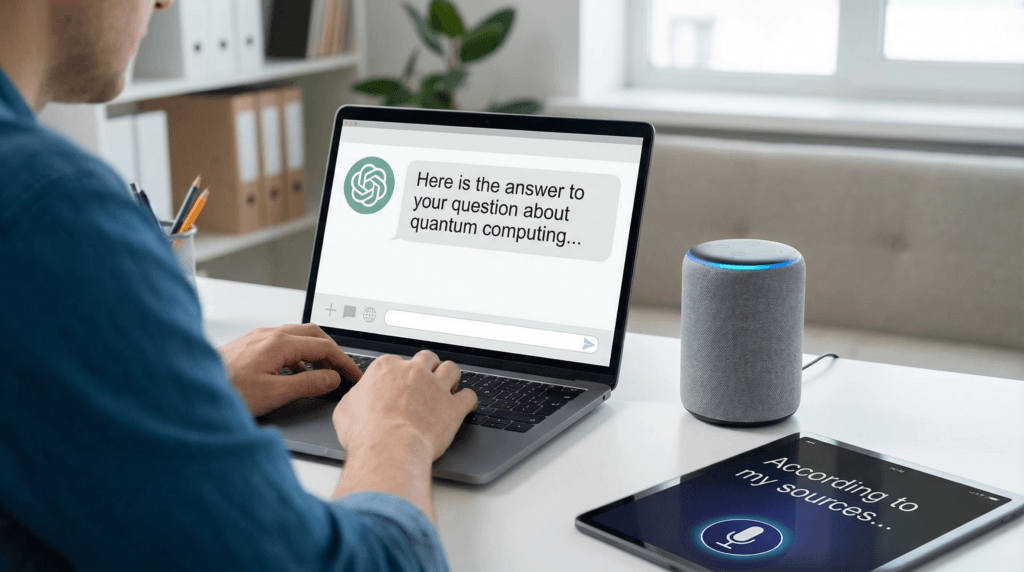
Chatbots and smart assistants that answer your questions
Tools like ChatGPT, Google Gemini, and Perplexity AI act like super-fast study buddies. You type a question, such as “Explain compound interest like I am 12,” and they give you a plain-language answer in a few seconds.
You can ask them to draft emails, help with homework outlines, summarize long web pages, or explain a confusing topic in different ways. Used well, they save you time and help you learn faster, because you do not have to dig through ten web pages for a simple idea.
There is a catch, and you need to treat it seriously. These tools sometimes get facts wrong or sound confident when they are guessing. For health, money, legal, or school work that matters, always double-check important facts with trusted sources.
Writing helpers that fix grammar and improve your tone
Grammarly and built-in checkers in apps like Word or Google Docs are also artificial intelligence applications. They scan your text, spot spelling and grammar errors, and suggest more precise phrases.
This is a significant relief if English is not your first language, or if you just feel unsure about writing. The AI helps fix mistakes, smooths out awkward phrases, and can even suggest a more friendly or more formal tone.
The key thing to remember is that AI is a helper, not a judge. You can accept or ignore any suggestion you want. You stay in charge of your voice.
Built-in AI in apps you already use at school or work
Microsoft Copilot in Word, Excel, and PowerPoint, plus smart features in Google Docs and Gmail, all count as artificial intelligence applications too.
You can ask Copilot in Word to turn rough bullet notes into a draft article or report. In PowerPoint, it can turn a simple outline into a complete slide deck. In Excel, it can explain a formula or give you a quick summary of your data.
Gmail’s Smart Reply and Smart Compose guess what you might want to say next. Docs can now summarize long documents so you can grasp the main idea faster. For busy students and workers, this means less staring at a blank page and more progress in less time.
Artificial Intelligence Applications for Content, Business, and Affiliate Marketing
Now, let us shift to how. If you want to build a blog, grow a YouTube channel, or start affiliate marketing, AI can act as a small team, helping with writing, design, and planning.
You might already use Canva for quick graphics. Tools like DALL·E, Midjourney, and Flux Pro can generate new images from text prompts. Video tools like Synthesia can turn a script into a simple talking-head style video without a camera. Canva Magic Studio can remove backgrounds, suggest layouts, and whip up social posts that match your brand colors.
For affiliate marketing, this is powerful. You can write product reviews faster, test different headlines, and create unique images that support your content. Some all-in-one platforms, such as Wealthy Affiliate with its AI Suite, now pack writing tools, keyword research, and training into one place, making life much easier than juggling 10 logins. If you want a real-life example of starting from scratch, you can read the Non Tech Ninja affiliate marketing journey to see how simple steps can add up.
The trick is not to let AI speak for you. You still need your own stories, your own opinions, and your own testing of the products you talk about. AI can draft, suggest, and shape, but your trust with readers comes from honest experience.
AI for writing blog posts, product reviews, and scripts
Tools like ChatGPT and other AI writers can help you plan blog posts, YouTube scripts, and review articles. You can ask for topic ideas, outlines, title suggestions, or a rough first draft.
When I write, I often start with AI to draft an outline. Then I rewrite each section in my own words, add personal stories, screenshots, and real pros and cons from using the product. That mix keeps the content fast to produce but still real.
If you are new, treat AI as a cure for writer’s block, not a copy-and-paste machine. Let it give you a starting point, then rewrite as if you were explaining the topic to a friend who trusts you with their money.
AI images and video tools that level up your content
DALL·E, Midjourney, and Flux Pro can turn a short description into custom images. For example, you can ask for a “simple side-by-side image of two laptops on a desk” to support a comparison post. No camera needed.
Video tools such as Synthesia can create simple explainer videos from a script, which can help if you are camera-shy or do not have gear. Canva Magic Studio lets you build thumbnails, logos, and social images with drag-and-drop tools plus AI suggestions.
Before you use AI images or videos in anything you sell or monetize, always check the license rules for that tool. Some allow full commercial use, some have limits, and those details matter if your content earns money.
Smart AI tools for keyword research and affiliate marketing strategy
Keyword research sounds scary, but it is just this question: “What words are people typing into Google when they want help with a problem?” If you match your content to those real questions, you have a better chance of getting traffic and clicks.
AI keyword tools can help you spot search intent, group topics, and plan a content calendar. They suggest related phrases, common questions, and angles for posts.
Platforms like the Wealthy Affiliate AI Suite and its keyword tool, Jaaxy, bring much of this together in one place. You can search for keywords, check how hard they might be to rank for, build an outline, and then draft the post in the same workflow. For beginners, a single setup like that can be cheaper and less stressful than paying for five tools that don’t talk to each other.
Frequently Asked Questions About Artificial Intelligence Applications
What are artificial intelligence applications in simple terms?
Artificial intelligence applications are everyday tools and software that learn from data and make smart guesses. They help with tasks like writing, search, images, and planning by spotting patterns and suggesting what you might want next.
How do I use AI in everyday life without being “into tech”?
You already do. Your phone keyboard, email replies, search results, and social feeds use AI. To take it a step further, you can try tools like ChatGPT for questions and drafts, or Grammarly to polish your writing, without changing anything else in your setup.
Can artificial intelligence applications help with affiliate marketing?
Yes. AI tools can help you brainstorm topics, outline posts, draft reviews, create images, and plan keywords. Platforms like Wealthy Affiliate that include AI tools and training make it easier to go from idea to published content in one workflow.
Do I need coding skills to use artificial intelligence applications?
No. Most artificial intelligence applications come built into tools you already know, like Word, Google Docs, Gmail, Canva, and keyword tools. You use them through normal menus, prompts, and buttons, not by writing code.
How can I use AI safely for important tasks?
Start by keeping private details out of prompts, such as full names or account numbers. For health, legal topics, or big money choices, treat AI as a first draft or idea source, then confirm key details with trusted experts or official sites.
How To Start Using Artificial Intelligence Applications Safely and Wisely
If all of this still feels a bit much, let us slow it down. You do not need to use every AI tool in one week. You just need a simple first step.
Pick one area of your life that feels heavy. Maybe it is email, school essays, lesson planning, blog posts, or product research. Choose one AI tool that fits that area, such as ChatGPT for writing help or Grammarly for editing.
Start with one small task. Ask the AI to tidy a single email, summarize one article, or outline one blog post. Compare its work to your own. Keep what helps. Ignore what does not match your style or values.
Stay smart about safety. Avoid sharing private details such as full names, addresses, or account numbers with AI tools. For important topics like health, legal questions, or big money decisions, treat AI as a starting point, then confirm with real experts or official sites.
The goal is not to replace your thinking. The goal is to free up brain space so you can focus on judgment, creativity, and honest work.
Closing Thoughts on Artificial Intelligence Applications
Artificial intelligence applications are already part of your daily routine, even if you never touch a line of code. Used with care, they can help you learn faster, write better, and grow an online business or affiliate site with less stress.
This week, pick one tiny use case and test it. Maybe you let an AI assistant draft a polite email reply, or help you plan your next blog post. Notice what feels helpful and what feels off, then adjust.
If you want to go deeper into how AI and affiliate marketing fit together in real life, keep exploring the guides on Non Tech Ninja. The tools will change, but your best asset will always be your own judgment.
Key Takeaway
Artificial intelligence applications are already part of your daily routine, even if you never touch code or learn complex math.
Use AI as a helper, not a replacement. Let it draft, suggest, and organize, while you bring real experience, honest reviews, and final judgment.